By Jack Krayenhoff
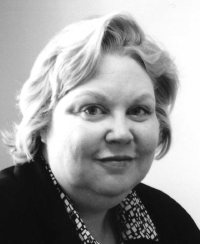 |
| Rhiannon Porcellato, program director for the Salvation Army's Beacon of Hope House. Photo: Jack Krayenhoff. |
THE SALVATION ARMY in Victoria is opening a new
residential treatment program, called Beacon of Hope House, for
drug-addicted youth.
Program director Rhiannon Porcellato told BCCN she expects crystal meth
addicts will make up most of the clients.
Drugs have long been part of the social landscape. What
is so new and different about crystal meth, and why does it need special
attention?
Crystal meth, Porcellato explains, differs from other
drugs in several ways. For starters, it is easily produced, cheap and
readily available. Unfortunately, it also leads to quicker and more
permanent brain damage than other drugs.
It specifically targets youth; it’s not unusual
to see kids getting started on it as young as nine. Accordingly, admission
to Hope House will be limited to youths aged 13 – 19.
Beyond that age, the possibility for permanent recovery
from the addiction quickly becomes slimmer. But if treatment starts early,
there is good hope that a kid will go back to school and finish it, then
get job training and become reintegrated into society.
Crystal meth is highly addictive – take it
two or three times, and chances are a kid is hooked, Porcellato says. The
reason is that it produces a tremendous ‘high’ – and
subsequently a corresponding ‘low.’
During the high, the user feels superbly confident and
competent. He believes he is the best car thief in the world, or that no
one is able to catch him as he breaks into homes or businesses. That
explains the part crystal meth plays in crime.
People on crystal meth are not the ones lying in a
corner with a blanket. They are constantly active, moving, talking to
people.
Continue article >>
|
They can go without sleep or food for days (as many as
10 to 12, according to Porcellato). Once they crash, they may sleep for
days on end.
So what about the new treatment facility?
Beacon of Hope House is located in the manse of St.
Saviour’s Anglican Church in Victoria West, which accommodates six
male addicts, each with his own bedroom. The Salvation Army hopes to have a
similar facility for females within 18 months. Staff consists of 12
workers, and two will be there at all times, so that supervision is
continuous. Clients are not allowed out without accompanying staff.
Treatment consists of counselling, both one-on-one and
in groups. Life skill training is important; it includes communication
skills, budgeting and working with computers.
In the basement there is a workshop, and Porcellato
hopes to find volunteers who will teach woodworking there. People from the
community willing to visit and act as mentors will be welcome, too.
“We want the kids to feel the community cares
about them,” she says. “It will make a big difference when they
try to become productive members of society again.” She also hopes to
include the clients’ family, and offer them counselling and support.
Last but not least, the kids are invited to take
in the daily devotions, and will have a chance to take part in Bible
studies.
“We are aiming at the whole person here,”
Porcellato comments, “Our approach is holistic”.
Hope House is a trail-blazing venture. Until now the
residential drug addiction facilities of the Salvation Army always were
geared for adults, but this is the first one aiming at youth. It adds an
element of exploration and adventure that makes Porcellato keenly aware of
the need to look to God for success.
“We have seen this project come together by the
hand of God’, she says with obvious sincerity. “Each step of
the way there were people who said ‘This is impossible, this
won’t happen.’ But it did!”
Porcellato can be reached at rporcellato@victoriaarc.com.
May 2007
|